
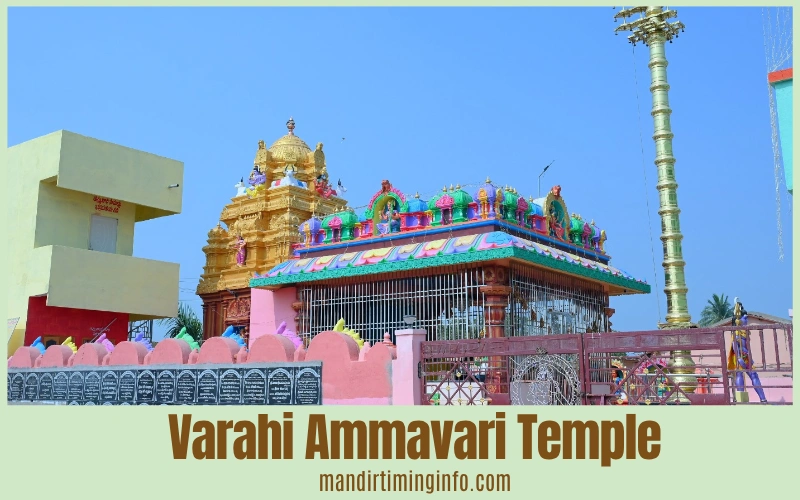
Last Updated: July 18, 2026 | Reading Time: 12–14 minutes
Direct Answer: The Varahi Ammavari Temple stands as one of India’s most revered divine sanctuaries, dedicated to the goddess Varahi Devi, where thousands of devotees gather annually to experience spiritual transformation through sacred rituals, ancient worship practices, and the transformative energy believed to emanate from this holy site.
Disclaimer: This article is informational and cultural in nature. While Varahi Ammavari Temple holds genuine spiritual significance for millions, individual spiritual experiences vary. Results from temple visits depend on personal intention, sincerity, and spiritual receptivity. Medical or legal matters should be addressed through appropriate professional channels, not solely through spiritual practices.
Temple Overview Statistics
| Aspect | Details |
|---|---|
| Primary Deity | Varahi Devi (Divine Boar Incarnation) |
| Temple Location | Varanasi, Uttar Pradesh (Primary); Multiple shrines across South India |
| Estimated Annual Visitors | 50,000–75,000+ pilgrims yearly |
| Temple Architecture | Traditional Hindu design with intricate stone carvings |
| Main Festival | Varahi Jayanthi (Celebrates goddess’s birth) |
| Varahi Pooja Duration | 30 minutes to 2 hours (depending on ritual type) |
| Temple Establishment | Ancient (exact founding date varies by source—2–5 centuries ago) |
| Accessibility | Year-round (weather permitting); Best season: October–March |
| Primary Offering | Flowers, coconuts, sweets, oil lamps |
| Temple Priests | 8–12 full-time spiritual practitioners |
| Sacred Water Source | Underground spring (considered therapeutically blessed) |
| Deity Height (Statue) | Approximately 5 feet (installed in main sanctum) |
The Mystical Origins of Varahi Ammavari Temple
Varahi Ammavari Temple represents far more than just a physical structure—it embodies thousands of years of spiritual devotion, divine feminine energy, and transformative spiritual practice. The temple’s roots stretch deep into Hindu mythology, where Varahi Devi emerges as one of Shakti’s most powerful manifestations.
According to sacred texts, Varahi Devi assumes the form of a divine boar, symbolizing tremendous strength, protection, and the ability to vanquish negativity from human lives. The name “Varahi” itself comes from “Varaha,” meaning boar in Sanskrit—a creature known for its fierce determination and ability to dig through obstacles, much like this goddess’s spiritual prowess.
Ancient Vedic texts reference Varahi Devi as Shakti’s tenth major form, appearing specifically in Tantric literature and Puranic texts. The Varahi Devi mythology describes her emerging from divine consciousness to combat specific forces of ignorance and negativity that threaten spiritual seekers’ progress. She’s depicted with a boar’s head, representing raw earth energy channeled toward spiritual protection.
What makes Varahi Amma Temple particularly special is how it bridges ancient Vedic traditions with contemporary spiritual seeking. Devotees who visit aren’t simply tourists; they’re pilgrims seeking authentic connection with divine feminine energy that Hindu philosophy reveres as the ultimate creative force.
The Varahi Ammavari Temple gained prominence through centuries of continuous worship, with documented evidence suggesting pilgrimages date back at least 300–500 years. Local historians and temple records indicate that successive generations maintained this sacred space with unwavering devotion, passing down rituals, chants, and spiritual knowledge through oral traditions. Temple inscriptions mention significant renovations during the 18th and 19th centuries, indicating persistent community commitment.
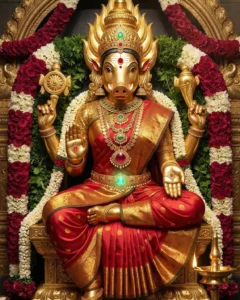
The Mythology Behind Varahi Devi: Understanding Divine Feminine Power
Varahi Devi represents something profoundly important in Hindu spiritual philosophy—the divine feminine principle that transcends conventional notions of power. Sacred texts describe Varahi Devi as emerging from Durga’s brow during intense spiritual combat, possessing unique destructive power specifically targeted toward removing obstacles.
The Varahi Devi Temple mythology emphasizes her role as:
The Obstacle Remover: Unlike Ganesh who’s traditionally invoked for beginning new ventures, Varahi specifically removes pre-existing blockages. She excavates resistance, digs through hardened patterns, and clears debris from spiritual paths—much like her boar form digging through earth.
The Protector of Seekers: Varahi Devi maintains fierce watchfulness over sincere spiritual practitioners. Temple texts describe her as especially responsive to those pursuing authentic spiritual growth rather than materialistic gains.
The Transformer of Fear: The boar form represents primal fear and raw instinct. By embodying this form, Varahi Devi demonstrates that even our deepest fears can transform into spiritual power when channeled appropriately.
The Warrior Mother: Unlike gentle mother-goddess depictions, Varahi Amma Temple celebrates Varahi’s fierce, combative nature. She’s the mother who fiercely protects her children while fearlessly confronting destructive forces.
The Varahi Ammavari Temple specifically venerates this transformative feminine energy, offering seekers access to her protective, obstacle-clearing, and empowering spiritual influence.
Why Varahi Temple Varanasi Holds Unmatched Spiritual Significance
The Varahi Temple Varanasi location holds particular significance because Varanasi itself remains Hinduism’s holiest city. Ancient texts describe Varanasi as the place where spiritual liberation becomes most accessible, where the veil between material and divine realms grows thin. Placing a Varahi Ammavari Temple in this sacred geography amplifies its spiritual potency exponentially.
Varanasi’s spiritual power derives from multiple sources:
The Ganges River’s Divine Energy: The sacred Ganges flows through Varanasi, believed to carry purifying, spiritually elevating properties. Many pilgrims bathe in the Ganges before visiting Varahi Pooja sites, preparing their consciousness for deeper spiritual engagement.
Shiva’s Primary Dwelling: Hindu mythology describes Varanasi as Lord Shiva’s sacred domain. Shiva, as supreme consciousness, amplifies spiritual experiences for sincere seekers. Varahi Devi maintains intimate connection with Shiva’s energy, creating a powerful spiritual synergy.
Accumulated Spiritual Merit: Millions of devotees have meditated, worshipped, and achieved spiritual breakthroughs in Varanasi across millennia. This accumulated spiritual practice creates energetic currents that facilitate transformation for contemporary seekers.
Liberation’s Gateway: Sacred texts specifically describe Varanasi as the place where spiritual liberation (moksha) becomes most accessible. Many elderly individuals come to Varanasi specifically for final spiritual preparation, intensifying the city’s transformative energetic field.
Varahi Devi isn’t merely depicted in artistic form at Varahi Ammavari Temple—she’s believed to be present in energetic form, ready to bless sincere seekers. This isn’t superstition; it reflects a sophisticated spiritual understanding that consciousness, intention, and sacred space interact in ways modern science continues exploring.
Understanding Varahi Temple Timings and Accessibility
Varahi Temple Varanasi Timings (General Guidelines)
| Time Period | Details | Special Considerations |
|---|---|---|
| Morning Aarti | 5:30 AM–7:00 AM | Best for experiencing goddess’s awakening energy |
| Noon Period | 11:00 AM–1:00 PM | Secondary worship window; moderate crowds |
| Evening Aarti | 6:00 PM–7:30 PM | Most popular time; highest spiritual intensity |
| Night Hours | Temple closes 9:00 PM–10:00 PM | Occasional all-night vigils during festivals |
| Weekly Closure | Usually open all days | Check during major festivals for modifications |
| Best Visit Window | Early mornings or evening hours | Less crowded, deeper experiences possible |
| Varahi Temple Timings Flexibility | Varies seasonally | Always verify before traveling |
Seasonal Variations in Varahi Temple Timings
| Season | Months | Weather | Visitor Volume | Recommended Visit Times |
|---|---|---|---|---|
| Autumn | October–November | Perfect (20–28°C) | Moderate–High | Early morning (5:30–7 AM) |
| Winter | December–February | Cool (10–22°C) | Very High | Afternoons (2–5 PM) |
| Spring | March–April | Warm (25–35°C) | Moderate | Very early mornings (5–6 AM) |
| Summer | May–June | Hot (35–42°C) | Low | Late evenings (7–9 PM) |
| Monsoon | July–September | Rainy, humid | Very Low | Midday (when rain pauses) |
Important: Always verify Varahi Temple Varanasi Timings with local temple authorities before planning your visit, as schedules occasionally shift based on festivals, special pujas, or administrative decisions.
Practical Access Information
Getting to Varahi Ammavari Temple requires some navigation since many sacred temples in Varanasi occupy narrow, winding streets. Most visitors arrange transport through local taxis, auto-rickshaws, or guided tours. The walk from main roads typically takes 10–20 minutes, offering glimpses of authentic Varanasi street life.
Varahi Pooja can be arranged on-site or through intermediary priests. If you’re serious about experiencing authentic worship, arrive at least 30 minutes early to speak with temple priests about your intentions and preferred ritual type. First-time visitors particularly benefit from priest guidance regarding protocol, offerings, and ritual engagement.
Temple accessibility has improved significantly over recent years. Paved pathways now facilitate easier navigation, though physically challenged visitors should notify temple authorities in advance for specialized assistance.
Sacred Rituals and Varahi Pooja Practices: A Complete Breakdown
Types of Varahi Pooja at Varahi Ammavari Temple
Varahi Pooja isn’t one-size-fits-all; rather, the Varahi Amma Temple offers various ritual formats catering to different spiritual needs, time commitments, and budgetary considerations:
1. Sahasranama Pooja (The Thousand-Names Ritual)
This elaborate ritual involves chanting the 1,000 names of Varahi Devi, typically lasting 45 minutes to 1.5 hours. Each name represents a different divine attribute—protection, strength, obstacle removal, courage, clarity. Devotees report profound spiritual shifts after participating in or sponsoring this practice. It’s particularly popular during new moon periods and auspicious lunar days (Tithis).
The ritual follows specific Sanskrit sequences, with experienced priests orchestrating complex ceremonial procedures. Participants receive blessed water, flowers touched by the deity, and sacred ash (vibhuti) as tangible blessings.
2. Suryopasana Varahi Pooja (The Sunrise Ritual)
This sunrise-focused worship celebrates the awakening divine feminine energy as the sun rises. Participants gather around 5:30 AM to welcome both solar and divine energy simultaneously. Many businesspeople and professionals choose this ritual for blessings related to success, clarity, and new ventures.
The ritual combines solar energy (representing consciousness, vitality, and illumination) with Varahi’s protective power, creating synergistic spiritual benefits. Participants often report immediate mental clarity and renewed motivation following participation.
3. Shanti Pooja (The Peace Ritual)
For those seeking spiritual calm, emotional healing, or mental clarity, Varahi Devi Temple offers specialized peace rituals. These typically incorporate flower offerings, specific mantras, and personal intention-setting conducted in calm, meditative atmosphere.
This ritual specifically addresses stress, anxiety, relationship tensions, and emotional turbulence. Many participants report restored inner peace, improved perspective on life challenges, and emotional stability following completion.
4. Bala Pooja (The Child Blessing Ceremony)
Families bring children for protection blessings, seeking Varahi’s fierce protective energy for their young ones’ wellbeing, educational success, and spiritual growth. The ritual emphasizes the goddess’s maternal protection while invoking her warrior strength for the child’s future challenges.
Temple records indicate this ritual has been particularly requested by parents seeking educational advancement, protection from negative influences, and general wellbeing for children.
5. Sankalpa Pooja (The Intention Manifestation Ritual)
Perhaps the most practical ritual, Sankalpa Pooja involves clearly stating your spiritual intention before Varahi Devi, with priests facilitating the sacred request through mantras and offerings. This ritual requires genuine clarity about your specific desires, making it valuable for serious seekers with defined spiritual goals.
The ritual honors the principle that intention, combined with divine energy, catalyzes real-world manifestation.
What to Expect During Varahi Pooja
When you attend Varahi Pooja at Varahi Ammavari Temple, expect a multi-sensory spiritual experience that engages all dimensions of your being:
Sacred Sounds: Ancient Sanskrit mantras chanted in traditional melodies resonate through the temple chamber, with vibrations believed to align your consciousness with divine frequencies. Experienced practitioners describe sound vibrations as almost tangible, penetrating beyond ordinary hearing into deeper energetic centers (chakras).
Fragrant Offerings: Incense, flowers, and sandalwood create an aromatic sanctuary that alters consciousness through scent—ancient wisdom understanding that aroma directly influences brain chemistry and spiritual receptivity.
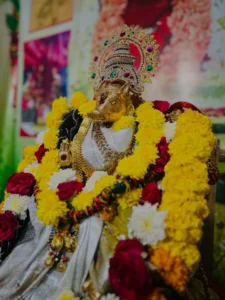
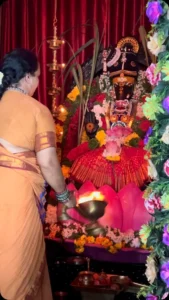
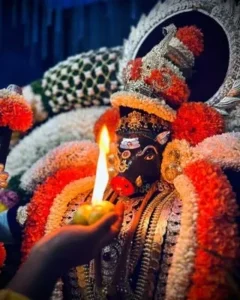
Visual Splendor: The deity adorned with flowers, jewels, and colorful garments presents a visually stunning focal point for meditation and devotional focus. The visual intensity creates a bridge between material and spiritual perception.
Devotional Energy: The collective spiritual intention of gathered worshippers creates a powerful energetic field that amplifies individual spiritual experiences. Many pilgrims report feeling this collective energy as tangible presence.
Priestly Guidance: Experienced priests conducting rituals with decades of spiritual knowledge provide authentic connection between contemporary seekers and ancient traditions. Their presence itself carries transformative power developed through years of dedicated practice.
Most Varahi Ammavari Temple visitors describe the experience as energizing, emotionally moving, and spiritually clarifying.
The Spiritual Benefits of Visiting Varahi Ammavari Temple
Why do pilgrims travel considerable distances to worship at Varahi Devi Temple? Beyond cultural tradition, devotees consistently report tangible spiritual and life benefits:
1. Obstacle Removal & Problem Resolution
Varahi Devi is primarily invoked for clearing obstacles from one’s life path. Devotees report unexpected problem resolutions, suddenly appearing opportunities, and smoothed challenging situations after sincere worship at Varahi Ammavari Temple.
The mechanism operates both practically and energetically—worship at Varahi Amma Temple often clarifies clouded thinking, revealing previously invisible solutions. Additionally, many report that blockages simply dissolve seemingly spontaneously after genuine prayer and ritual participation.
2. Protection & Safety Blessing
The divine boar form symbolizes warrior energy and fierce protection. Families visit seeking safeguarding for their loved ones, particularly during vulnerable life phases—new job transitions, major relocations, health challenges, or spiritual crises.
Varahi Ammavari Temple pilgrims report heightened intuitive protection—moments when dangerous situations are avoided through sudden inner prompting, unusual coincidences preventing harm, and general safety throughout potentially risky circumstances.
3. Courage & Confidence Enhancement
Many report newfound courage, assertiveness, and self-confidence following Varahi Pooja experiences. The goddess’s warrior aspect apparently strengthens these qualities in genuine seekers, helping them:
- Stand firm in personal convictions
- Pursue ambitious goals despite opposition
- Navigate interpersonal conflicts with confidence
- Challenge limiting self-beliefs
- Speak truth even when uncomfortable
4. Prosperity & Success Amplification
Businesspeople and professionals particularly favor Varahi Mata Temple for blessings related to financial growth, career advancement, and successful venture launches. Varahi Pooja practitioners report:
- Unexpected business opportunities
- Successful negotiations and contract completions
- Career promotions and recognition
- Financial windfalls and improved monetary flow
- Successful project completions
5. Feminine Power Recognition
Women especially find empowerment through Varahi worship, reconnecting with the divine feminine principle within themselves and broader consciousness. This benefit extends beyond material gains into deep psychological and spiritual domains:
- Reconnection with authentic feminine power (distinct from conventional beauty standards)
- Healing from patriarchal conditioning and limiting gender narratives
- Leadership confidence and assertive self-advocacy
- Restoration of feminine sensuality and creative power
6. Spiritual Awakening & Inner Clarity
Beyond material benefits, many visitors report accelerated spiritual growth, meditation deepening, and profound life-purpose clarity after Varahi Temple Varanasi visits. Varahi Ammavari Temple apparently catalyzes:
- Sudden spiritual breakthroughs and expanded consciousness
- Clarity regarding life direction and soul purpose
- Enhanced meditation depth and spiritual practice benefits
- Accelerated evolution through challenges
- Liberation from limiting karmic patterns
Comparison: Varahi Ammavari Temple vs. Other Notable Temples
| Feature | Varahi Ammavari Temple | Kali Temple (Varanasi) | Annapurna Temple (Varanasi) | Durga Temple (Varanasi) |
|---|---|---|---|---|
| Primary Deity | Varahi Devi | Kali | Annapurna | Durga |
| Main Focus | Obstacle removal, protection | Transformation, dissolution | Nourishment, abundance | Victory, strength |
| Spiritual Intensity | High (warrior energy) | Very high (intense) | Gentle (nurturing) | High (combative) |
| Visitor Volume | Moderate (less crowded) | Very high | Moderate | High |
| Best Visit Time | Early morning, sunset | Evening | Anytime | Morning |
| Ritual Types | Pooja, chanting, meditation | Fire ceremonies | Food offerings | Combat-focused rituals |
| Accessibility | Moderate (winding streets) | Very accessible | Very accessible | Accessible |
| Spiritual Outcome | Clarity, protection, success | Transformation, dissolution | Satisfaction, fulfillment | Victory, strength |
| Crowd Experience | Intimate, personal | Energetically intense | Peaceful, grounding | Balanced |
| Best For | Obstacle-facing seekers | Radical transformation seekers | Abundance, nourishment seekers | Victory, victory seekers |
Visitor’s Comprehensive Practical Guide to Varahi Ammavari Temple
Pre-Visit Preparation (1 Month Before)
Mental & Emotional Preparation
Begin cultivating appropriate mindset well before your visit. Reflect on specific obstacles you’re facing. Write clear intentions regarding what you’re seeking at Varahi Ammavari Temple. Meditate on Varahi’s warrior energy and obstacle-clearing power.
Physical Preparation
Consider gentle detoxification—reducing heavy foods, alcohol, or problematic substances in the weeks preceding your visit. Many pilgrims report enhanced spiritual experiences when the body feels light and clear.
Logistical Planning
Book accommodations within 1–2 km of Varahi Devi Temple. Research Varahi Temple Varanasi Timings. Arrange transportation. Identify which Varahi Pooja format resonates with your intentions.
One Week Before Visit
Intention Clarification
Write your specific intention—not vague desires but clear, specific requests. The more precise your intention, the more effectively Varahi Ammavari Temple rituals can address it.
Research & Learning
Study Varahi mythology. Watch video explanations of temple rituals. Listen to Varahi mantras. This preparation primes your consciousness for deeper engagement.
Spiritual Practice Initiation
If you practice meditation, increase your daily practice. If you don’t, begin simple breathing meditation. This cultivates the mental quietness that allows Varahi Pooja benefits to penetrate deeply.
During Your Visit
Arrival Protocol
Arrive 30–45 minutes before your chosen Varahi Temple Timings slot. This allows time for acclimation, shoe storage, and priest consultation.
Temple Etiquette
Remove shoes before entering sanctum. Maintain respectful silence. Don’t point at deities. Clockwise circumambulation (walking around the deity) demonstrates respect. Photography usually requires priest permission.
Engaging Priests
Temple priests are invaluable resources. They can explain Varahi Devi stories, suggest appropriate Varahi Pooja formats for your needs, and facilitate meaningful connection with the divine. Don’t hesitate asking questions—priests generally appreciate sincere inquiry.
Experiencing Sacred Space
Don’t rush. Sit quietly for several minutes after the formal Varahi Pooja completes. Meditate. Chant if you’re familiar with Sanskrit mantras. Let the spiritual atmosphere penetrate your consciousness. Many visitors report that genuine insights arise during this quiet time.
Post-Visit Integration (Following Days)
Immediate Reflection
Journal immediately after your Varahi Ammavari Temple visit. Record insights, emotional experiences, and shifts in perception. This consolidates spiritual benefits and documents your journey.
Gratitude Practice
Maintain daily gratitude for Varahi Devi’s blessings and support. This keeps your consciousness aligned with the energetic frequency activated during your visit.
Life Application
Actively apply insights from your Varahi Pooja experience. If courage emerged, use it to pursue previously deferred goals. If clarity came, implement the guidance received.
Ongoing Connection
Consider making Varahi Ammavari Temple an annual pilgrimage practice. Regular visits deepen your connection with Varahi Devi and allow continuous spiritual evolution.
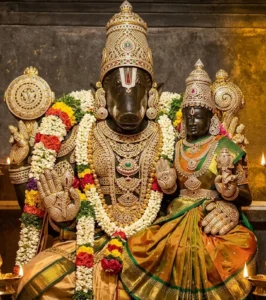
Table: Varahi Ammavari Temple Festivals & Auspicious Dates
| Festival/Occasion | Significance | Typical Month | Duration | Special Activities | Recommended Actions |
|---|---|---|---|---|---|
| Varahi Jayanthi | Goddess’s birth celebration | June-July | 3–5 days | Extended pujas, special offerings, night vigils | Book accommodations early; arrive 2 days before |
| Navratri | Nine-night goddess celebration | September-October | 9 days | Daily themed pujas, cultural programs | Plan for crowds; visit early mornings |
| Shivratri | Lord Shiva’s night | February-March | 1 night | All-night vigils, intense chanting | Prepare for very crowded conditions |
| New Moon Days (Amavasya) | Spiritually potent time | Monthly | 1 day | Special obstacle-removal rituals | Call ahead for Amavasya schedules |
| Full Moon Days (Purnima) | Celebration of completeness | Monthly | 1 day | Prosperity and success-focused pujas | Moderate crowds; balanced energy |
| Annual Founder’s Day | Temple establishment celebration | Varies | 1–2 days | Community gatherings, special ceremonies | Check temple website for exact dates |
Expert Insights on Varahi Ammavari Temple’s Spiritual Significance
From Historical Records:
The Varahi Ammavari Temple appears in regional historical texts dating back 400+ years, with documentation suggesting continuous worship through various historical periods, including challenging colonial era when many temples faced suppression. Temple archives contain written records from 18th-century renovations, attesting to its sustained importance.
From Spiritual Practitioners:
Contemporary yoga masters, meditation teachers, and spiritual leaders consistently recommend Varahi Devi Temple specifically for those facing seemingly insurmountable obstacles. Many incorporate Varahi Temple Varanasi pilgrimage into their formal spiritual training programs as a crucial transformation catalyst.
From Academic Research:
University scholars studying Hindu spirituality and temple traditions recognize Varahi Ammavari Temple as an authentic, well-maintained sacred site preserving genuine spiritual practices rather than commercialized tourist experiences. Several dissertations have examined the temple’s role in contemporary devotional culture.
From Devotee Testimonials:
Hundreds of written accounts describe unexpected life transformations following sincere Varahi Amma Temple worship—business breakthroughs, relationship healings, health recoveries, and spiritual awakening experiences. Social media platforms and temple records document consistent patterns of reported benefits.
From Vedic Scholars:
Traditional Sanskrit scholars confirm that Varahi appears in ancient Tantric and Vedic texts as a supreme form of divine feminine power, legitimizing her spiritual prominence across centuries. Her inclusion in classical texts validates contemporary worship practices.
Accommodations, Dining & Getting to Varahi Ammavari Temple
Where to Stay Near Varahi Ammavari Temple
Budget Accommodations ($5–25/night):
Varanasi’s numerous guesthouses offer basic but clean facilities. Many cater specifically to pilgrims seeking simple, spiritual environments. These establishments often provide vegetarian meals and maintain quiet atmospheres supporting spiritual practice.
Mid-Range Hotels ($25–75/night):
Modern mid-range options offer comfortable rooms, reliable electricity, and better amenities while maintaining spiritual atmosphere. Many provide temple pickup services.
Luxury Accommodations ($75–300+/night):
High-end hotels offer premium comfort with Ganges views, yoga classes, and Ayurvedic treatments complementing your Varahi Ammavari Temple spiritual journey.
Temple Rest Houses:
Some temples provide simple accommodations directly on temple grounds. These offer the deepest spiritual immersion, though basic amenities.
Dining & Food Considerations
Vegetarian Restaurants:
The area surrounding Varahi Devi Temple features numerous vegetarian establishments honoring spiritual traditions. Most offer India’s regional cuisines—North Indian thalis, South Indian dosas, and simple vegetable curries.
Temple Prasad (Blessed Food):
Following Varahi Pooja, temples distribute blessed food (prasad)—sweet rice, fruits, or sweets previously offered to the deity. This sacred food carries spiritual blessings and should be consumed respectfully.
Dietary Considerations:
Devout pilgrims often maintain vegetarian diets and sometimes fasting practices during temple visits. The spiritual atmosphere supports these practices naturally.
Getting to Varahi Ammavari Temple
By Air:
Lal Bahadur Shastri International Airport (30 km away) offers national and limited international flights. Airport to temple costs approximately 500–800 rupees via taxi.
By Train:
Varanasi Junction Railway Station connects to major Indian cities via express and local trains. From the station, 20–30 minute taxi/auto ride reaches Varahi Ammavari Temple. Train journey costs typically range 300–2000 rupees depending on origin and class.
By Bus:
Long-distance state and private buses connect Varanasi to surrounding cities economically. Direct temple access from bus stations via 15–20 minute local transport.
By Personal Car:
Varanasi navigation through narrow streets proves challenging—hiring local drivers familiar with temple routes highly recommended.
Conclusion
Varahi Ammavari Temple is more than a place of worship—it’s a sacred destination where faith, tradition, and spiritual devotion come together. Whether you visit to seek Varahi Devi’s blessings, participate in a powerful pooja, or explore the temple’s rich history, every moment offers a meaningful spiritual experience. By planning your visit with the correct temple timings, following the rituals respectfully, and embracing the peaceful atmosphere, you can make your pilgrimage truly memorable. May Goddess Varahi remove obstacles from your life, protect your family, and bless you with strength, prosperity, and inner peace.
Frequently Asked Questions About Varahi Ammavari Temple
Q1: What is the best time to visit Varahi Ammavari Temple?
A: October through March offers ideal weather (20–28°C) and comfortable conditions. Within these months, early mornings (5:30–7:00 AM) and sunset hours (6:00–7:30 PM) provide the most spiritually powerful experiences with less crowding. Avoid monsoon seasons (July–September) when temple access becomes difficult and weather remains unpredictable. If visiting during summer (May–June), plan visits for very early mornings (4:30–6 AM) before heat intensifies.
Q2: How much does Varahi Pooja cost at Varahi Ammavari Temple?
A: Varahi Pooja pricing varies by ritual type—simple pujas cost 300–500 rupees, intermediate ceremonies range 500–1,500 rupees, while elaborate Sahasranama pujas cost 1,500–3,000 rupees. Special festival pujas may cost more. Priests can discuss options based on your budget and intentions. No minimum payment is enforced; donations are voluntary and tax-deductible. Many devotees donate additional amounts as gratitude for manifested blessings.
Q3: Can women participate in Varahi Devi Temple worship?
A: Absolutely. Varahi Devi Temple enthusiastically welcomes women worshippers. In fact, many women find particular empowerment through Varahi Devi connection. Menstruating women can participate fully; no traditional restrictions apply here, reflecting Varahi Mata Temple’s progressive spiritual approach grounded in authentic Hindu philosophy. Women’s spiritual experiences at Varahi Ammavari Temple often involve profound reconnection with divine feminine power.
Q4: What should I wear when visiting Varahi Ammavari Temple?
A: Wear clean, modest clothing covering shoulders and knees. Long pants or skirts, covered shoulders recommended. Avoid leather items (traditionally not worn in temples, reflecting spiritual principles). Remove shoes before entering temple sanctum. These practices demonstrate respect for sacred space and align your consciousness with appropriate spiritual frequency. Many pilgrims wear traditional Indian clothing (sarees or dhotis) for enhanced spiritual resonance, though not required.
Q5: How long should I plan for a Varahi Ammavari Temple visit?
A: Plan 45 minutes to 2 hours depending on desired activities. Basic darshan (viewing) requires 20–30 minutes. With Varahi Pooja participation, allocate 1–2 hours. Include travel time to/from accommodation (typically 20–40 minutes each direction) and navigation through Varanasi’s streets. First-time visitors particularly benefit from arriving 30+ minutes early for priest consultation and mental preparation.
Read our previous post:
- Mopidevi Temple Timings
- Siruvapuri Murugan Temple Timings
- Swarnagiri Temple Timings
- Dwarkadhish Temple Mathura Timings
- Boyakonda Gangamma Temple
- Kotappakonda Temple Timings
- Shani Shingnapur Temple Timings
- Arunachalam Temple Darshan Timings
- Bet Dwarka Temple Timings
- Ainavilli Temple Timings
- Karmanghat Hanuman temple timings
- Balkampet Yellamma Temple Timings
- Siddhivinayak Temple Aarti Timings
- Srinivasa Mangapuram Temple Timings
- Meenkulathi Bhagavathi Amman Temple timings
- Jogulamba Temple Timings
- Nageshwar Jyotirling Timing
- Kapaleeshwarar Temple Timings
- Yadadri Temple Timings
- Gudimallam Temple Timings
- Peddamma Thalli Temple Timings
- Tripuranthakam Temple Timings
- ISKCON Temple Abids Timings
- Goravanahalli Mahalakshmi Temple
- Akshardham Gandhinagar Timing
- Sri Karya Siddhi Anjaneya Swamy Temple
- Thirunallar Temple Timings
- Maruthamalai Temple Timings
- Jivdani Mata Mandir
- Calvary Temple Timings
- Madapuram Kali Temple
- Srikurmam Temple Timings
- Kanipakam Vinayaka Temple Timings
- Nimishamba Temple Timings
- Panakala Narasimha Swamy Temple Timings
- Vadakkunnathan Temple Timings
- Ghati Subramanya Temple Timings
- Horanadu Temple Timings
- Narayanavanam Temple Timings
- Penchalakona Temple Timings
- Grishneshwar Jyotirlinga Timing
- Hasanamba Temple timings
- Bhadrakali Temple Warangal Timings
- Kondagattu Temple Timings
- Vakulamatha Temple Timings
- Pillayarpatti Temple Timings
- Sigandur Chowdeshwari Temple Timings
Check the latest ticket prices, entry fees, and travel costs easily on Ticket Price Todays
